06 Nov'26
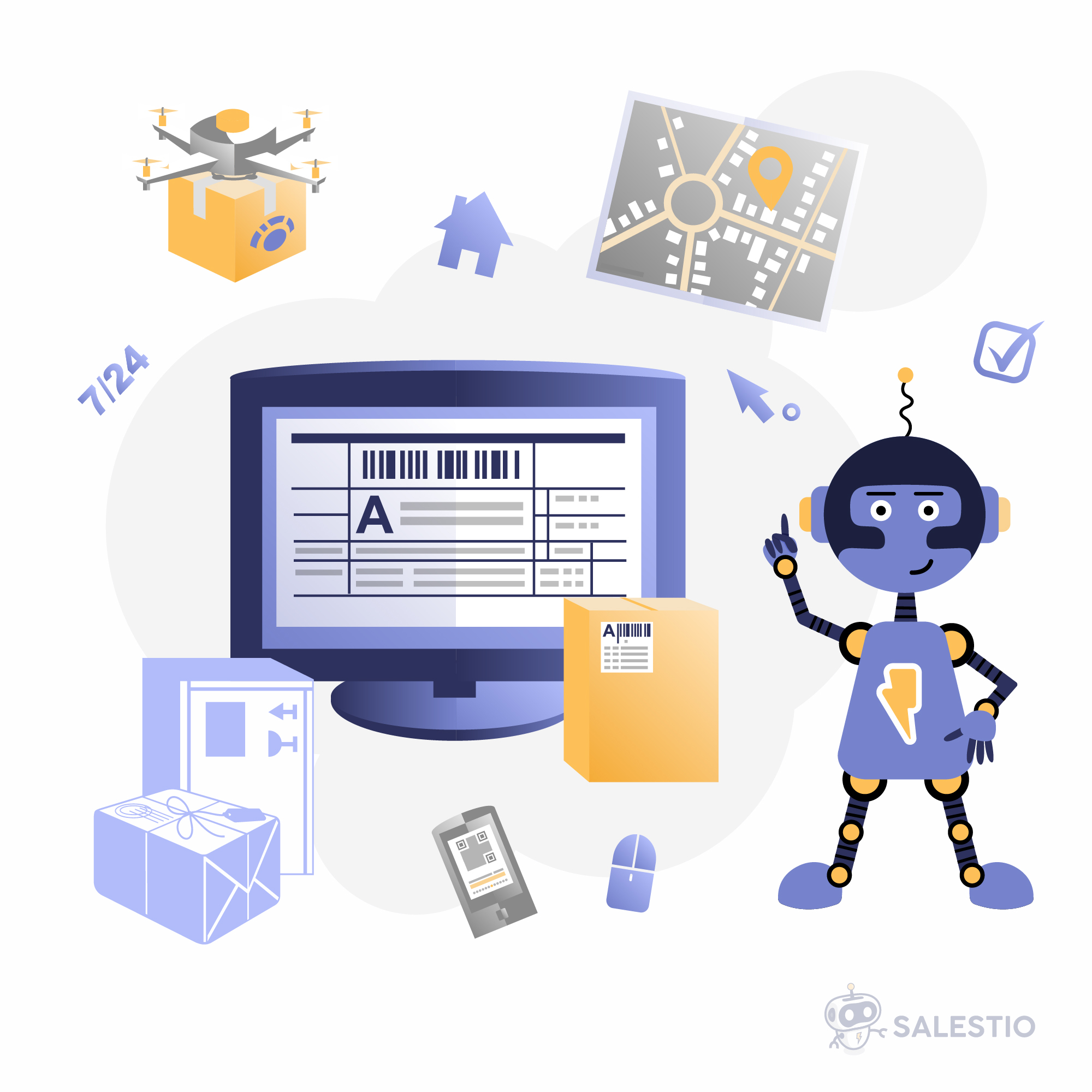
Sellers get ready for fulfillment when the customer places an order. This process covers multiple steps: processing, preparing, and delivering the ordered products.
In this article, we will share an overview of the fulfillment process, possible ways to handle it, and tools that can help you improve it.
The fulfillment process
When the order is placed through an online store, it has to be processed by the platform first: add a customer record, confirm the payment, reserve inventory, and send it to the warehouse.
All of this happens on your platform: an online store like Shopify or a marketplace like eBay.
Related: Processing Amazon, eBay, and Etsy orders in Salestio
The warehouse confirms the availability of the order and checks the items. Before the next step, the order is packaged here and prepared for shipping.
The packaged order can be handed over to the shipping company and sent off to the customer.
After-sale service is just as important: you have to be ready to provide support for the sold items and offer returns when needed.
Common fulfillment models
Depending on your goods and business model, some ways to organize the fulfillment can work better than others:
In-house
You can use the most popular method and organize the fulfillment by yourself: rent a warehouse space, manage inventory, and pack orders.
When working with local customers, some companies prefer delivering the orders by themselves as well.
At the cost of extra management needs and warehouse space, in-house fulfillment offers full control over operations and faster ways to implement changes.
3PL (third-party logistics)
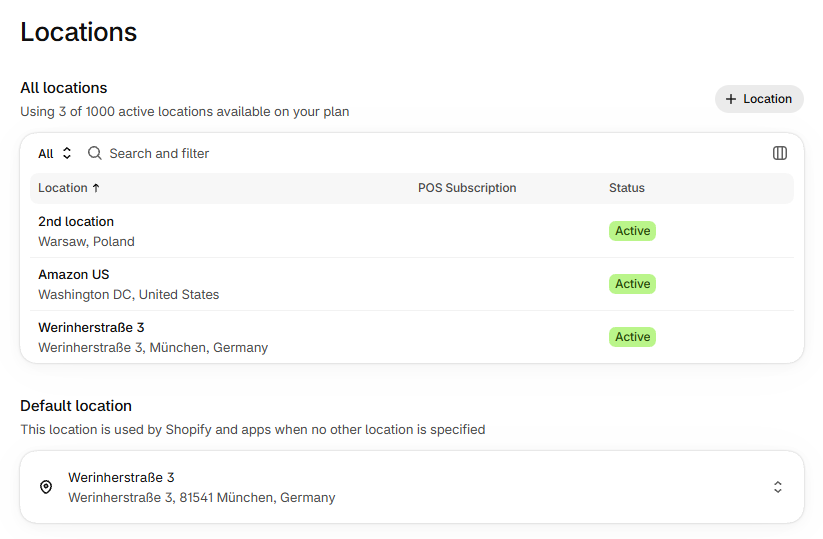
With the 3PL model, the business can outsource the logistics to another company. With this setup, you still own your inventory, but hand it over to the fulfillment company for processing. Commonly 3PL providers manage multiple things:
- Storage
- Inventory management
- Picking and packing
- Shipping
- Processing returns
Marketplace fulfillment can work as a 3PL model if your platform offers such a program. For example, FBA (Fulfillment by Amazon) is fully integrated into the marketplace systems. You can send your inventory to Amazon for storage and processing to free up your warehouse. For a fee, this model offers the benefits of faster and simpler logistics.
Dropshipping
Different from a 3PL setup, dropshipping stores do not have their own inventory at all. With this model, the supplier keeps the inventory and processes the orders. The store only forwards the orders to suppliers and processes the payments.
Check out the dropshipping category on our blog to follow the setup journey and learn more.
Marketplaces vs. E-commerce platforms
You can choose between a marketplace or an E-commerce platform to serve as a base for your business. The available logistics options can vary depending on this choice.
Marketplaces vs. E-commerce Websites: Pros and Cons
For selling on a marketplace storefront, there are a few key things to keep in mind:
- You can usually pick between your own fulfillment network or native marketplace fulfillment (such as FBA from Amazon.)
- All goods will be subject to marketplace terms and policies.
- Sales are subject to marketplace fees.
When working in your own E-commerce store, you can enjoy more control and potentially fewer fees:
- More flexible options to work with a 3PL or a dropshipping supplier via app integrations.
- Fewer policy restrictions, enabling branding freedom.
- Fixed platform subscription.
How automation helps with fulfillment
Modern E-commerce can support multiple tools to make the business easier:
Linking multiple sales channels (Shopify, Amazon, Etsy, etc.) is helpful for sellers who want to maintain visibility on different platforms. Coordinating inventory and order management becomes a consideration when integrating different storefronts with each other.
Synchronizing your platforms using an app like Salestio opens up a way to consolidate fulfillment management in a single place.
Multichannel Sales: Benefits, Challenges, and Platforms Compared

Users of modern 3PL fulfillment services enjoy fulfillment automation by default. 3PL integration apps automatically send new orders to the warehouse, where products can be packed up and shipped. Using an app like this automatically lets the warehouse know what, when, and how to ship without needing a dedicated coordinator.
Building an agile and reliable fulfillment network goes a long way for maintaining customer trust. As a seller, you want to be ready to meet high expectations.
Check out Salestio for inventory management in a multichannel business. Or see the full deep dive series about E-commerce fulfillment.