31 Jul'26




Getting started with e-commerce brings many choices. From picking the audience and market to logistics and the overall business strategy. One of the key choices that defines many aspects of your store is the product selection.
Which product will sell? How do you find an audience for it? Where do you even start? Let’s plan this out step-by-step.
Look for niches
If a product can’t be bought at an average grocery store, chances are it’s intended for a specific audience. Properly catering to particular groups may require specific knowledge and skills. Think about the interests that are popular or familiar to you.
Instead of thinking, “I want to sell T-shirts,” focus on a niche: construction work, hiking, cycling, or fishing. Everyone wears a T-shirt but may value certain aspects of it more. Knowing what your target audience is looking for influences the supplier selection: some may have better materials, while others prioritize design or features.
More niche ideas to consider:
- Hobbies (weightlifting, gardening, cooking)
- Pets (dogs, horses, reptiles)
- Jobs (education, engineering, sales)
- Sports (football, golf, surfing)
Top Selling categories on Amazon, eBay and Etsy
Shoppers with a specific interest tend to buy related products together. From skateboarding apparel, you can later expand to skate gear, accessories, and lifestyle products like posters and desk mats.
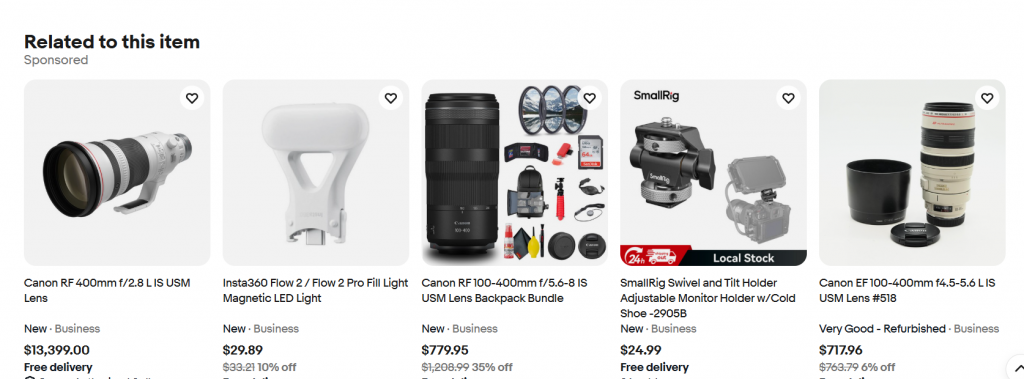
Picking a specific niche streamlines multiple aspects of the business down the line: from product research and branding to marketing and customer support.
Find a problem to solve
Some product categories require less marketing effort and have a faster turnaround because they solve problems. Identify common tasks that can be difficult, frustrating, or unsafe. Looking for solutions to these problems will help you find the best items to get started. For example:
- Overheating laptop: use a cooling stand
- Limited power outlets: use a power strip with USB ports
- Documents are easy to lose when traveling: put them in a document organizer
- Phones lose charge during long camping trips: bring a solar power bank
Decide on the sales channels
Depending on your exact products and niche, some e-commerce platforms might make more sense than others:
- Shopify or other web store platforms: perfect for building your own brand and selling without the middle man.
- Amazon: popular for everyday products, bulk sales, and gadgets.
- eBay: designed for used and collectible products with notable support for auctions and a dedicated automotive section.
- Etsy: good for handmade and personalized products, craft supplies, and everything DIY-related.
Marketplaces vs. E-commerce Websites: Pros and Cons
Different marketplaces usually attract different types of customers, and your choice should take that into account. Picking the right platform helps sellers to market to the right audience.
When selling on multiple marketplaces, consider linking your listings together through a multichannel app like Salestio. For example, if you are selling on Amazon, eBay, and Shopify at the same time, Salestio can update your Amazon and eBay products automatically. Organizing the stores this way lets you focus on Shopify more.
Top 10 Features of Salestio
Calculate profitability
A crucial step in product selection is figuring out how sustainable it will be as a business. Common expenses to take into account are marketplace fees, product cost, logistics, packaging, and advertising.
Research similar products to find a realistic price range. If competitors sell the same item for $30, charging $60 may not be practical at all. Keep in mind that you can up the price when your business adds value to the purchases: extra warranty or support, community, sustainability, etc.
With the price and possible expenses, you can estimate the profitability of each and get a better idea of
One of the biggest expenses in e-commerce is finding customers. A product can look profitable until you include advertising costs. This is also mitigated with repeatable purchases. Products that customers buy more than once (coffee, vitamins, printer ink) are usually more profitable over time. The cost of acquiring the customer is spread across multiple orders.
Best practices in email marketing for online sellers
Putting it all together
When you have an interesting product idea, follow the steps below to research it and convert it into a business:
- Search the product on eBay, Amazon, and Etsy to understand the competition.
- Check out Google Trends and Reddit discussions to learn more about the sentiment around the product.
- Calculate the costs to figure out the potential profits.
- Think of an improvement over the competition.
- Create a listing prototype and test it with a small budget.
- Get ready to scale up after evaluating your success.
When starting out, keeping your assortment at a few products allows more space for further research. When using Salestio, it is easy to pick out a couple of products to start on a new marketplace. If selling on multiple marketplaces, Salestio keeps each product list separately.
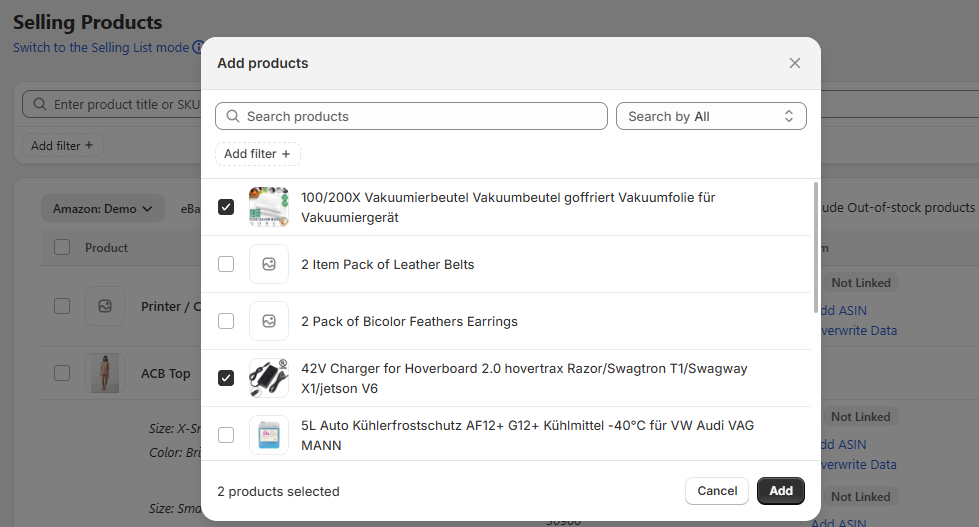
Focus on products that normally sell well to have an easier start. From there, you can grow inside of the chosen niche or even seek out new audiences by expanding the product range.
As mentioned earlier, different products might sell better on specific marketplaces due to differences in the audience. If you are selling on multiple platforms to take advantage of this, Salestio proves useful by centralizing your multichannel sales in a single app.
Multichannel Sales: Benefits, Challenges, and Platforms Compared