22 May'26





Images are one of the key factors in buyer decisions. The significance of quality product photos only keeps rising in the current marketplace environment. Today, we will look at the best photo practices and discuss what tricks work better on specific platforms.
For more details on marketplace image requirements, a guide on the photography process, and more general tips, see the article below:
The Importance of Product Photography in E-commerce Sales
Why photos matter
Shoppers make split-second decisions whether to scroll past or click on the listing. What they always see is the thumbnail product picture, so this is your chance to grab attention.
Sometimes, the picture might be the only thing that the potential customers see:
- Through the Image tab in search engines
- AI-assisted search might interpret the product page in its own way, but your images will always stay original.
- In some marketplace recommendations, the page might only show images
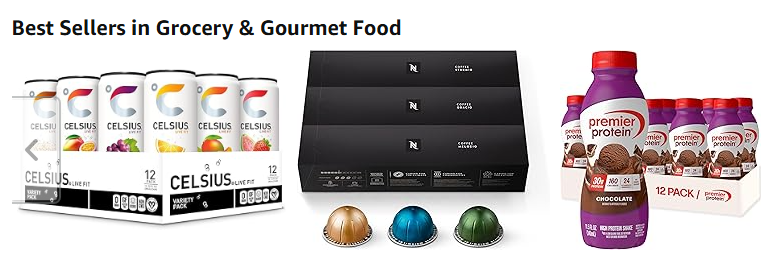
High-quality images improve sales in multiple ways:
- Increased click-through rate: recognizable and good-looking images are more exciting to click on.
- Better conversion rate and lower return rates: accurate images help confirm if it’s precisely what the shopper wants.
- Authentic and consistent photos help build your brand and increase customer trust.
Latest Marketplace Trends
Marketplace sellers are always coming up with new ideas and techniques to stand out among the search results. Each industry has its own best-matching ideas. Look into your competitors to see what they are up to. Here is what we noticed among the 2026 listings in general:
- Lifestyle and contextual images outperform simple product galleries. Consider moving away from solid color backgrounds to real-life settings.
Capture kitchen appliances in the area where they belong, or show a keyboard among a complete home PC setup. Compositions like this help buyers better visualize their life with the product and connect emotionally. - Some sellers are using AI tools to tweak the images and make them look complete. For example, it can be a cheap and efficient way to add a background to your product photo.
Don’t overdo it! Make sure that your actual product remains unchanged in the images. Pure AI-generated content risks looking inauthentic, which is an even bigger factor on platforms like Etsy. - Short-form video content took over the internet, and your listings can benefit from that. Make unboxing videos. If your brand is running a TikTok channel, embed that in the listing. Use this opportunity to show off the features that are invisible in static images.
- Mobile-first optimization is no surprise. Switch to vertical, or better yet, square format for the images. If your listing is more accessible for mobile users, then more people can give it the attention it deserves.
Optimize for the platform
Different marketplaces have their own audience, rules, and sets of available tools. Research your platform of choice to make the best of the available opportunities.
Amazon
Amazon is strict about the main product image: no watermarks, no extra text, and no fancy backgrounds. The main image should have a white background and only include the product.
You have more options with the additional images and can incorporate the tips from the previous section. Add lifestyle photos, demonstrate use cases, or include a 360-degree shot of the item.
Amazon significantly expands the options through “A+ Content”. Through the A+ Content Manager, sellers can add extra picture carousels to the product page or use interactive hotspots. Make sure that you enroll in the program to have access to more Amazon features:
A+ Content | Sell on Amazon
eBay
eBay is primarily geared towards used and vintage items. Shoppers are looking for as many details as possible about items like that. Make sure to include many angles in your photos.
When dealing with used items, add close-ups to properly reflect the item’s condition and showcase any flaws or signs of wear. Shoppers who are fully aware of the item’s condition are more likely to keep the item and leave a positive review. Honestly showcasing the products goes a long way in becoming a trusted seller.
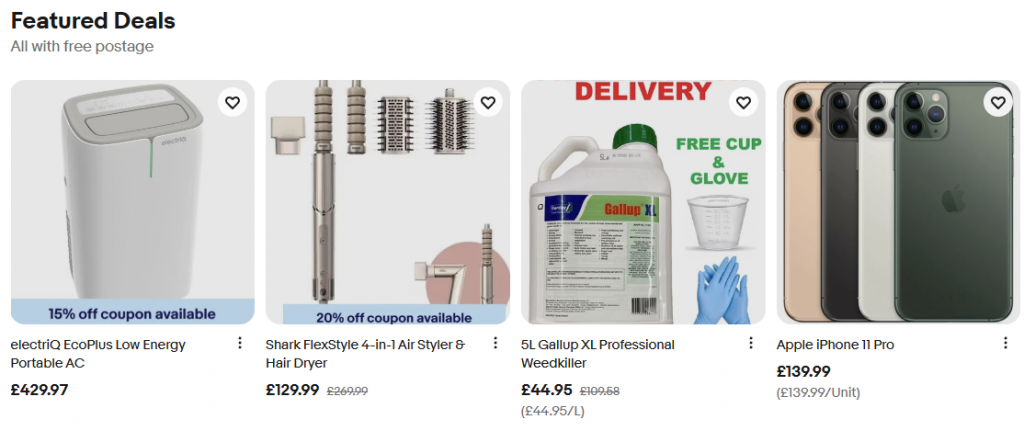
Sellers have access to advanced formatting tools for their eBay descriptions. You can use CSS to make the description look exactly how you want (including images). If you are using Salestio for publishing eBay listings, check the Description Template presets below:
Free eBay Description Templates
Etsy
Etsy is designed for handmade products, so the shoppers on the platform enjoy when the manufacturing process is highlighted. Try to include shots of your handmade process. For handmade items, try to showcase the materials and textures by including close-up shots.
Reflecting personal branding in images is especially important for Etsy sellers. Keeping a consistent visual style across the listings helps buyers recognize items from your shop.
SEO and Discovery
A large part of your sales will come from searches inside or outside the marketplace. Giving proper attention to metadata and search optimization can greatly boost sales.
The platform may use computer vision techniques to categorize and verify your listings. For instance, marketplaces can check your photos to confirm the claims from the title or description to place your listing in the correct category. In some cases, listings with incorrect information can even be suppressed from search results.
Additionally, you might want to make your listing more accessible to AI agents that some shoppers use.
Because of this, it is important to have a simple, clear, high-resolution main image:
- Unobstructed product
- Clearly visible edges
- Simple background
- Even lighting
Salestio automatically uses pictures from your e-commerce platform when sending products to marketplaces. See the article below for tips and tricks regarding images in Salestio: